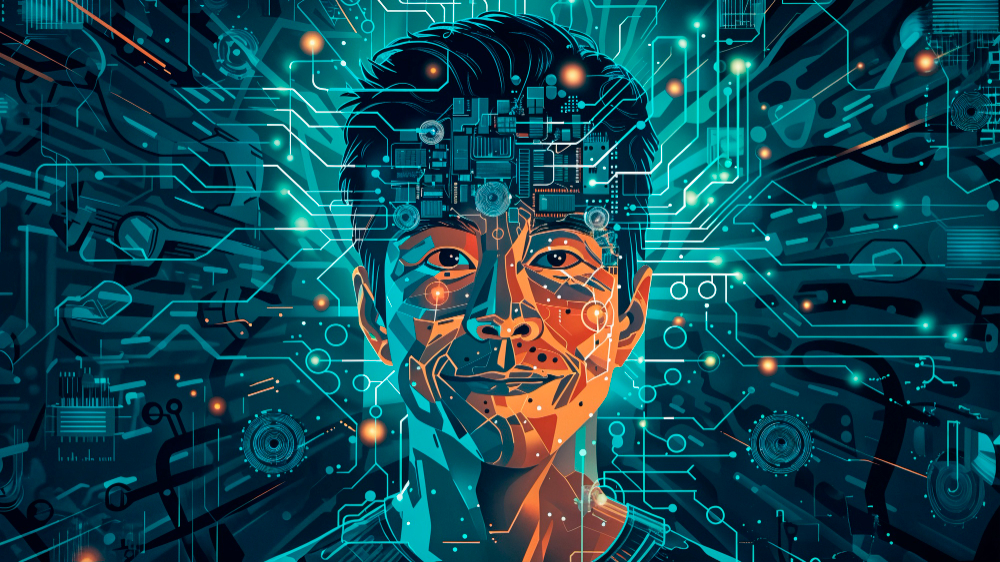
Generative AI is no longer just a novelty; it is a powerful collaborator. From drafting marketing copy to generating hyper-realistic digital art, tools like ChatGPT and Midjourney are transforming the creative landscape. But this raises a critical question: does AI enhance creativity or dilute it? While some fear the erosion of human touch, others embrace AI as a muse that eliminates the blank canvas syndrome. The real magic happens when human intuition meets machine efficiency, creating a symbiotic relationship. The future belongs not to AI alone, but to the “centaur” creator—someone who seamlessly blends human emotion with algorithmic precision to push creative boundaries.
Blog
-

Breaking the Scroll: A Guide to Digital Minimalism
In an era where attention is the most valuable currency, endless scrolling has become a modern epidemic. Digital minimalism offers an antidote. It isn’t about abandoning technology, but using it with intention.
By auditing your digital diet—deleting apps that drain you, muting notifications, and setting screen-time boundaries—you reclaim your focus and mental clarity. The goal is to shift from mindless consumption to purposeful engagement. Start small: dedicate one hour a day to being completely offline. Reconnect with the physical world, and watch your productivity and overall well-being skyrocket. Embracing digital minimalism allows you to use tech as a tool rather than letting it use you.
-
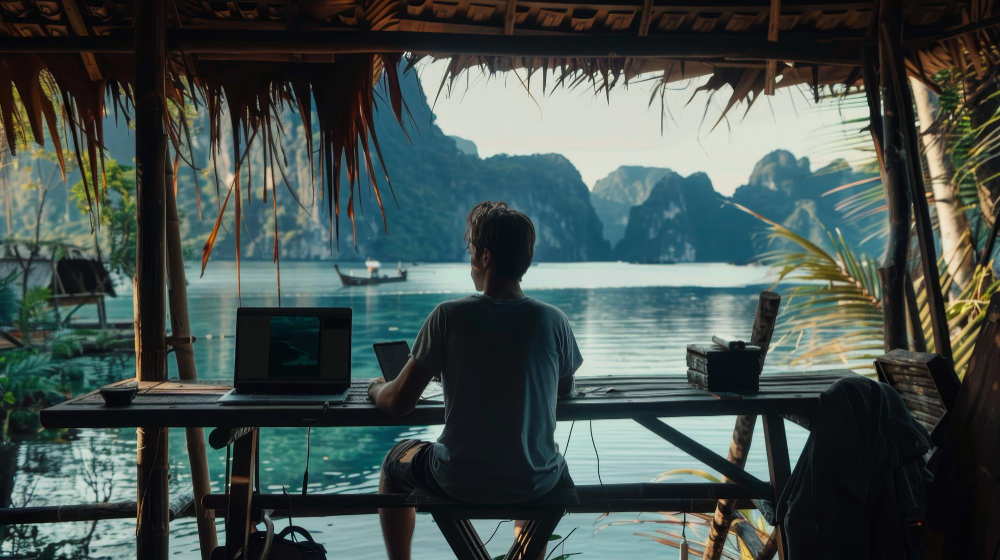
Beyond the Home Office: The Rise of Digital Nomad Visas
The pandemic accelerated remote work, but the trend has evolved far beyond the home office. Enter the era of the digital nomad. Recognizing the economic potential, over 50 countries now offer dedicated digital nomad visas, allowing professionals to legally work while exploring new cultures.
From Bali to Barcelona, location independence is reshaping how we define work-life balance. However, this lifestyle isn’t without challenges—tax complexities, time zone juggling, and the risk of isolation are real. Success requires robust systems, community building, and adaptability. The world is now your office, provided you can manage the logistics of this boundless freedom. -
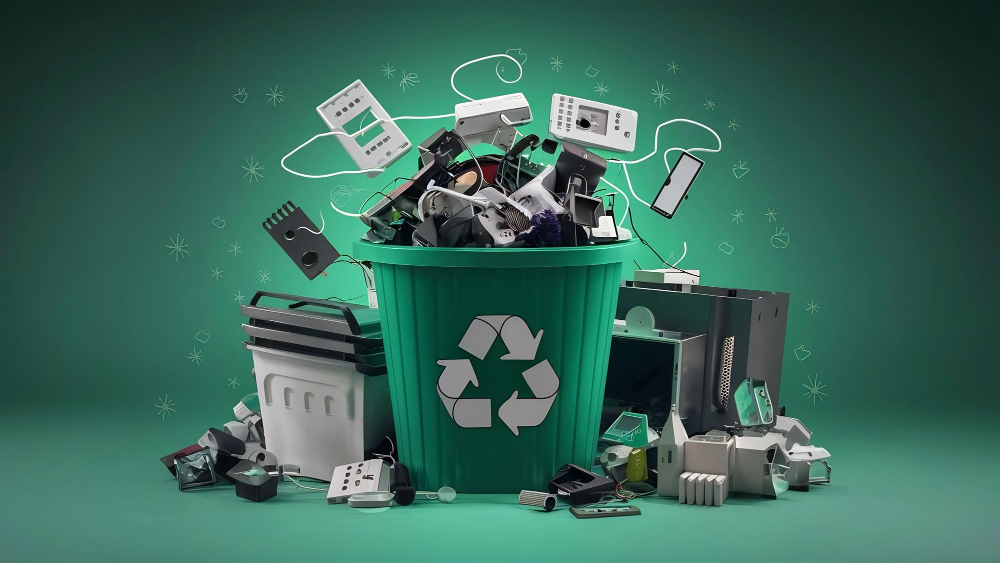
Fast Tech vs. The Circular Economy: Rethinking E-Waste
Every year, millions of smartphones and laptops are discarded, creating a mounting e-waste crisis. The “fast tech” model encourages frequent upgrades, but the circular economy offers a sustainable alternative.
By prioritizing repairability, modularity, and recycling, companies can keep electronics out of landfills. Consumers are pushing back against planned obsolescence, demanding the right to repair their own devices. Buying refurbished tech and supporting brands that offer trade-in programs are small steps with massive impacts. Shifting from a linear “take-make-dispose” mindset to a circular one is essential if we want technological innovation and environmental stewardship to coexist peacefully.
-

The 4-Day Workweek: A Fad or the Future of Productivity?
The traditional five-day workweek is facing a formidable challenger. Global trials of the four-day workweek have reported staggering success, with maintained productivity and drastically improved employee well-being.
The secret lies in working smarter, not longer. By eliminating redundant meetings, optimizing workflows, and focusing on deep work, companies can achieve the same output in fewer hours. Critics argue it’s not feasible for all industries, but proponents believe it’s the key to preventing burnout and reducing corporate carbon footprints. As the line between work and life blurs, a shorter workweek might be exactly what the modern workforce needs.
-
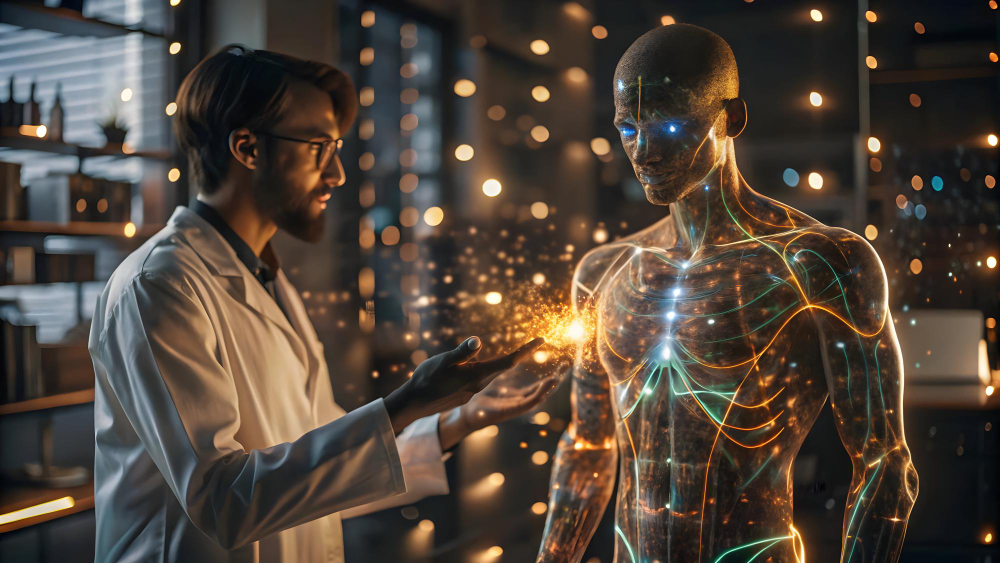
Biohacking and Longevity: The Quest to Optimize the Human Body
Biohacking has moved from Silicon Valley basements to the mainstream. Today, individuals are taking control of their own biology using data, technology, and lifestyle tweaks to enhance physical and cognitive performance. From continuous glucose monitors to cold plunges and nootropics, the goal is longevity and healthspan—not just living longer, but living better.
While extreme biohacking grabs headlines, the foundation rests on basics: quality sleep, metabolic flexibility, and stress management. As personalized genomics and wearable tech become more accessible, we are entering an era where healthcare is proactive, empowering you to become the CEO of your own biology.
-
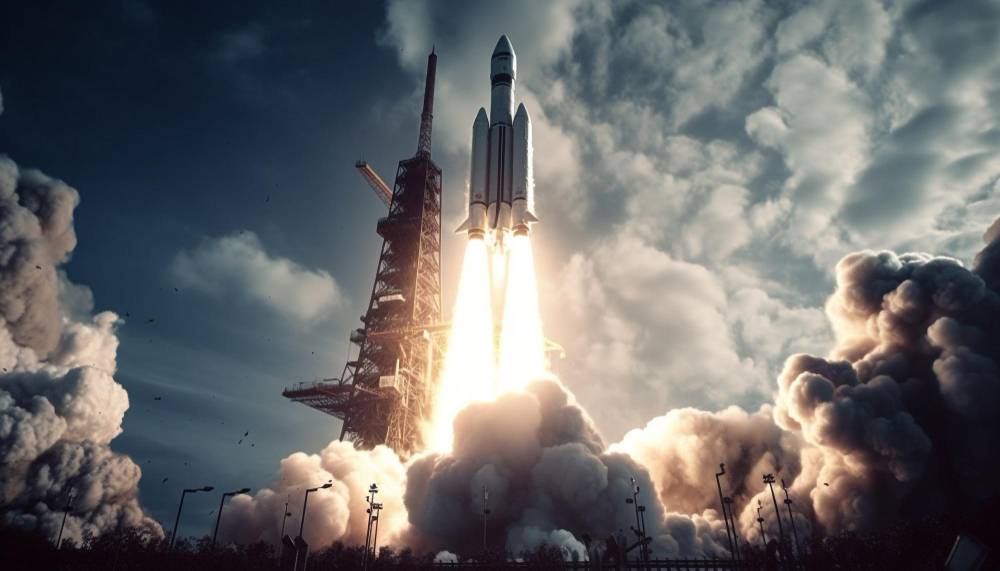
The Commercial Space Race: Opening the Final Frontier
Space is no longer the exclusive domain of government agencies. The commercial space race, led by companies like SpaceX and Blue Origin, is democratizing access to the cosmos. Reusable rockets have drastically lowered launch costs, paving the way for satellite internet constellations, space tourism, and even asteroid mining. This burgeoning space economy is projected to be worth trillions within decades. Beyond exploration, the commercialization of space promises advancements in Earth observation, climate monitoring, and global connectivity. As we stand on the precipice of interplanetary living, the final frontier is rapidly becoming a tangible arena for business and innovation.